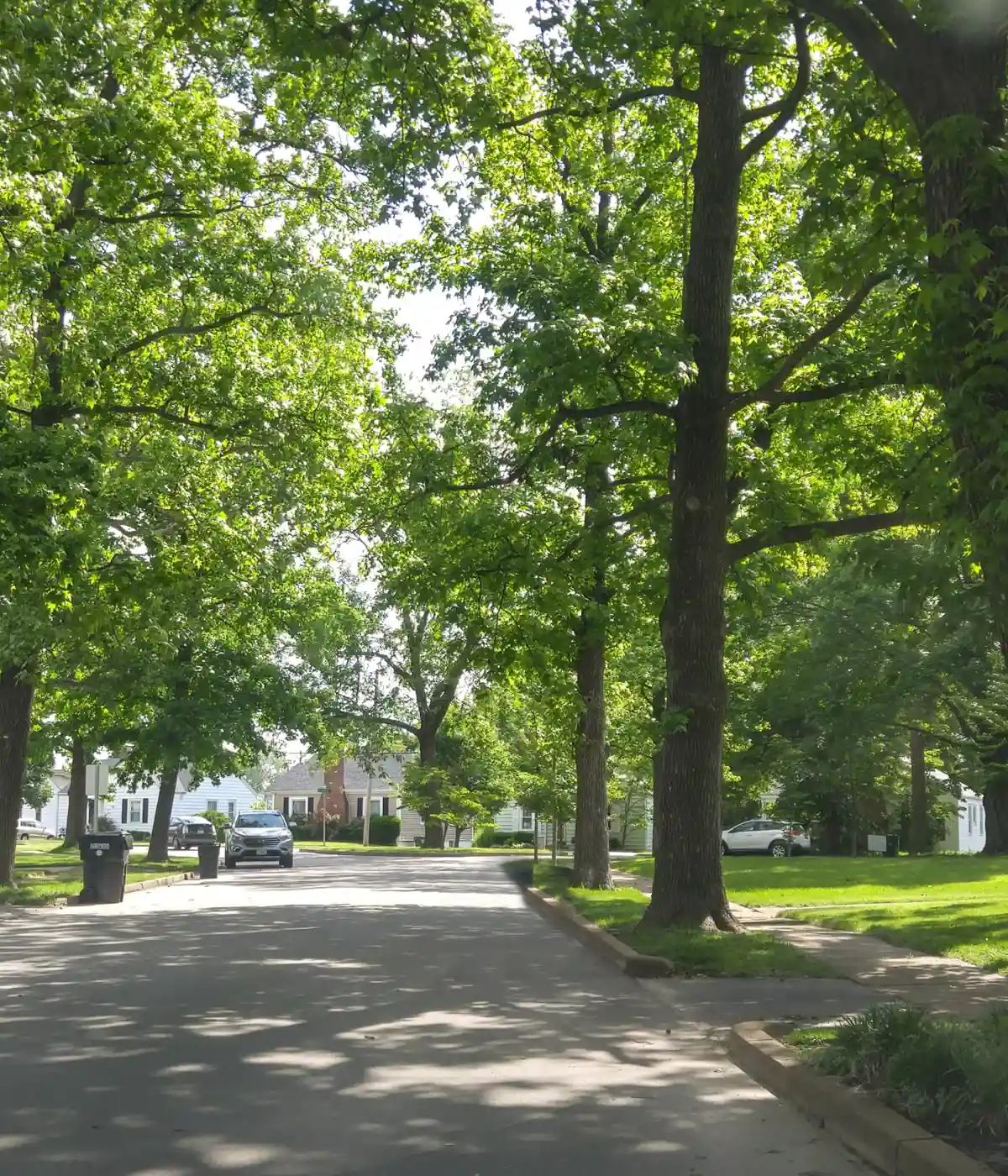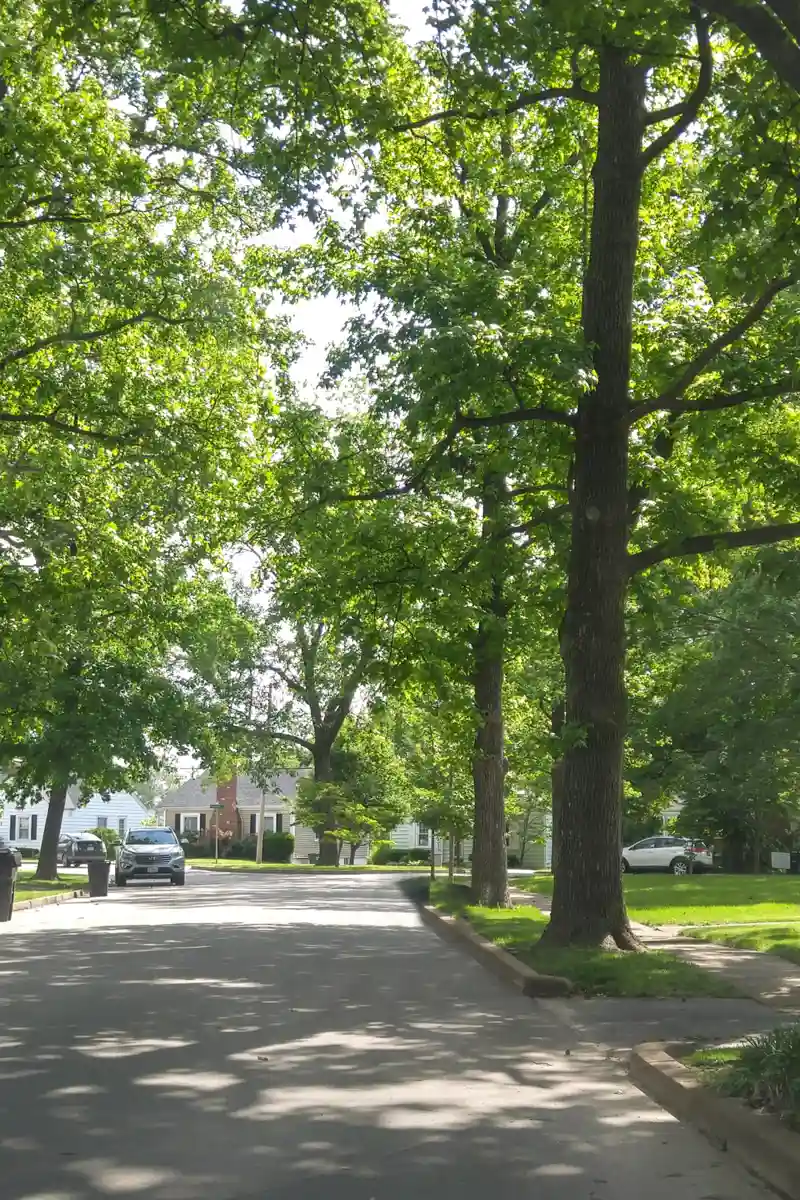

Temperatures are rising in the U.S., and many regions are experiencing fewer hard freezes and shorter winters. With milder winters, trees can miss critical chilling hours and alter their interactions with photoperiod cues that traditionally happen during dormancy. This disruption can have long-term health consequences.
Being able to spot the signs of mild winter tree damage and knowing how to protect trees during warm winters will help mitigate damage caused by the disruption.
How Trees Enter Dormancy (and Why It Matters)
Dormancy is essential for a tree’s survival. It allows trees to conserve energy and protect themselves from harsh winter conditions. There are three stages of dormancy: acclimation, deep dormancy, and deacclimation.
Acclimation is the preparation period during which trees make necessary adjustments, such as leaf drop, to get ready for winter. Acclimation typically begins in early fall when days become shorter and temperatures drop.
Deep dormancy occurs during the winter and is the period when trees enter a “deep sleep” to accumulate a certain number of “chill hours.” Chill hours happen when temperatures fall below a specific threshold help trees survive the deep frosts of winter by avoiding premature development during winter thaws.
Deacclimation refers to the period during which trees have obtained enough chill hours and enter a “standby” mode until they’re able to restart growth. In this stage, they will respond to warmer later winter and early spring temperatures as they prepare for the onset of the growing season.
What Warmer Winters Disrupt
Warmer winters changing dormancy in trees can cause severe damage. If dormancy is delayed, trees don’t shut down properly. If interrupted, trees can experience premature bud swell in winter. Reduced chilling hours can cause flowering or fruiting trees not to bloom properly. An early exit from dormancy increases the risk of freeze injury when temperatures drop again.
Four Tree Types Most Affected by Mild Winters
While all trees are susceptible to mild winter tree damage, some species are more affected than others.
- Fruit trees, such as apple, peach, and cherry trees, have strict chilling-hour requirements that can affect fruiting in the spring.
- Flowering ornamentals, such as magnolias, dogwoods, and redbuds, can experience bud swell in winter if dormancy is interrupted.
- Evergreens in freeze-prone areas can experience early sap movement, which can split their bark.
- Broadleaf evergreens can experience water loss as leaves become active on warmer sunny days, reducing their chances of surviving the winter.
What Arborists Watch For & What Long-Term Adaptation May Look Like
Since dormancy is a vital part of a tree’s lifecycle, it’s normal to wonder, “Can trees adapt to warmer winters?” With proper warm winter tree care, the answer is yes.
Diversity is the name of the game for a long-lasting landscape. Be cognizant of your hardiness zone, as it may shift over time. Selecting resilient species when planting can also help your trees survive shifting weather conditions, along with proper plant health care and soil care programs.
Your local certified arborist has the knowledge and expertise to address changing dormancy in trees. They can spot early bud swell during inspections, determine the cause of repeated lower flower production, tend to injuries caused by warm winters like sunscald, frost cracks, and cold injuries, and boost root health in trees that exited dormancy too early.
DON’T SKIP A WINTER TREE INSPECTION


Related Blog Posts

What Milder Winters Mean for Your Trees: Dormancy Disruption & How to Respond